這幾年帶我家兩個姐姐自學,我發覺【懂英文文法】 跟 【會用使用英文文法在寫作中】似乎是兩回事,我家兩個姊姊平常英文文法考試不說100分也絕對不會低於90分,可是她們平常寫作我還是常常會抓到很簡單不應該錯的文法失誤,或著是搞錯時態,所以我們2018-2019學年一直在努力改善這個狀況。
這邊是我們用來改善這個狀況所搭配的一些教材:


Grammar and Punctuation 是我們第二年使用,我其實覺得它架構很好,但是內文有一些地方草草帶過,如果單獨使用是很不怎樣的。
我們今年這樣用:
以Grammar and Punctuation為基準,裡面分為20幾個Rules,按照每一個Rule來安排。
– 比如說Rule 1 – Kinds of Sentences
– 我先利用Rule 1第一頁的說明,來準備一些字卡或影片(Brain POP or Khan),我跟小朋友會從這些資源中認識這個Rule。
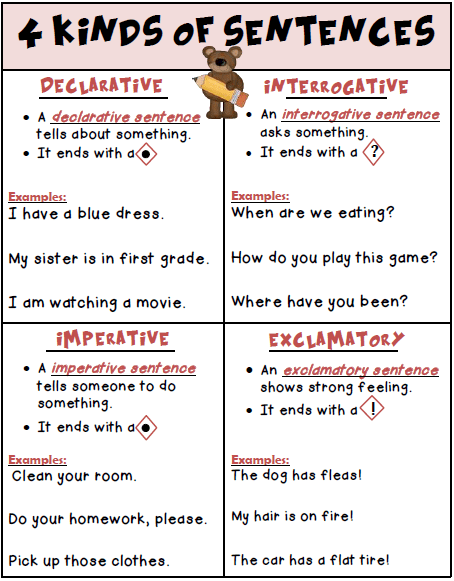
– 然後小朋友完成workbook上面的練習,通常是兩三頁的練習,不會很多,也不會很無聊。
– 小朋友完成練習後,我們會一起對答案,如果碰上不對的,我們再來研究錯的原因。(一定要研究錯誤,這個部份,姊妹倆後來考完試跟我說對她們來講幫助很大。)
– 我會另外從她們平常讀的【書】或 【字典】 找出例句(題) 或 從【IXL】【Scholastic Success With Grammar】中找出相關題庫,讓她們倆個鞏固一下,也當作測驗呢!
– 然後我會請她們替換例句中的主題,來練習。
Have you ever seen a real whale? (例句)
Have you ever seen a dog with blue eye? (換成自己想的主題,但是句型不變。)
(這種換主題但是架構不變的方式也可以練習寫作,對我家兩個來說幫助滿大的。)
目前一年過去了,週考成績還沒回來,可是寫作老師覺得她們的文法進度很多,還有會有用錯時態的時候,但是相較之前比起來,有很明顯的進步呢!
姊姊平常喜歡拿來當參考的資料書是:Time For Kids Grammar Rules!
(我之前有寫過介紹 → 在這邊)

姊姊平常喜歡拿來當參考的資料書是:Junior Illustrated Grammar and Punctuation (Illustrated Dictionary)
這是妹妹自己選的,好不好用其次,她當故事書來看,我覺得滿好的,而且價錢很便宜。哈

Grammar and Punctuation的購買點:
(記得要買Teacher ed. Edition後面才會答案,如果買錯,不要再來請我EMAIL答案了。)
一年級購買點
二年級購買點
三年級購買點
四年級購買點
五年級購買點
Scholastic Success With Grammar的購買點:
(Scholastic Success有一整個系列的英文練習本,都是薄薄一本,但是內容其實滿值得的,單用不行,可是搭配練習真的滿不錯的。)
一年級購買點
二年級購買點
三年級購買點
四年級購買點
五年級購買點
我很討厭英文文法,所以我想盡了辦法讓我家小孩喜歡英文文法,這些是我空打下來的,有需要的家長可以參考一下。
如果你不知道哪裏開始,可以像我一樣從Parts of Speech開始,Parts of Speech有八類,分別是: (資料來源 butte.edu)
1. NOUN
- A noun is the name of a person, place, thing, or idea.
man… Butte College… house… happiness
A noun is a word for a person, place, thing, or idea. Nouns are often used with an article (the, a, an), but not always. Proper nouns always start with a capital letter; common nouns do not. Nouns can be singular or plural, concrete or abstract. Nouns show possession by adding ‘s. Nouns can function in different roles within a sentence; for example, a noun can be a subject, direct object, indirect object, subject complement, or object of a preposition.
The young girl brought me a very long letter from the teacher, and then she quickly disappeared. Oh my!
2. PRONOUN
- A pronoun is a word used in place of a noun.
She… we… they… it
A pronoun is a word used in place of a noun. A pronoun is usually substituted for a specific noun, which is called its antecedent. In the sentence above, the antecedent for the pronoun she is the girl. Pronouns are further defined by type: personal pronouns refer to specific persons or things; possessive pronouns indicate ownership; reflexive pronouns are used to emphasize another noun or pronoun; relative pronouns introduce a subordinate clause; and demonstrative pronouns identify, point to, or refer to nouns.
The young girl brought me a very long letter from the teacher, and then she quickly disappeared. Oh my!
3. VERB
- A verb expresses action or being.
jump… is… write… become
The verb in a sentence expresses action or being. There is a main verb and sometimes one or more helping verbs. (“She can sing.” Sing is the main verb; can is the helping verb.) A verb must agree with its subject in number (both are singular or both are plural). Verbs also take different forms to express tense.
The young girl brought me a very long letter from the teacher, and then she quickly disappeared. Oh my!
4. ADJECTIVE
- An adjective modifies or describes a noun or pronoun.
pretty… old… blue… smart
An adjective is a word used to modify or describe a noun or a pronoun. It usually answers the question of which one, what kind, or how many. (Articles [a, an, the] are usually classified as adjectives.)
The young girl brought me a very long letter from the teacher, and then she quickly disappeared. Oh my!
5. ADVERB
- An adverb modifies or describes a verb, an adjective, or another adverb.
gently… extremely… carefully… well
An adverb describes or modifies a verb, an adjective, or another adverb, but never a noun. It usually answers the questions of when, where, how, why, under what conditions, or to what degree. Adverbs often end in -ly.
The young girl brought me a very long letter from the teacher, and then she quickly disappeared. Oh my!
6. PREPOSITION
- A preposition is a word placed before a noun or pronoun to form a phrase modifying another word in the sentence.
by… with…. about… until
(by the tree, with our friends, about the book, until tomorrow)
A preposition is a word placed before a noun or pronoun to form a phrase modifying another word in the sentence. Therefore a preposition is always part of a prepositional phrase. The prepositional phrase almost always functions as an adjective or as an adverb. The following list includes the most common prepositions:
The young girl brought me a very long letter from the teacher, and then she quickly disappeared. Oh my!
7. CONJUNCTION
- A conjunction joins words, phrases, or clauses.
and… but… or… while… because
A conjunction joins words, phrases, or clauses, and indicates the relationship between the elements joined. Coordinating conjunctions connect grammatically equal elements: and, but, or, nor, for, so, yet. Subordinating conjunctions connect clauses that are not equal: because, although, while, since, etc. There are other types of conjunctions as well.
The young girl brought me a very long letter from the teacher, and then she quickly disappeared. Oh my!
8. INTERJECTION
- An interjection is a word used to express emotion.
Oh!… Wow!… Oops!
An interjection is a word used to express emotion. It is often followed by an exclamation point.
The young girl brought me a very long letter from the teacher, and then she quickly disappeared. Oh my!
當時,我在教英文文法的老師朋友是跟我說三年級前把這八類搞懂就可以了,然後三年級開始加強句子中正確的英文文法 。相關影片
然後就是 Learn Phrases啦! 相關網頁 這個部分對我來講有點困難,不過我家兩個覺得還好。
以下是我家小孩加減用的一些英文文法跟寫作的App:
- Story Builder– 我大女兒有亞斯伯格,她很喜歡這個,但是小女兒覺得很難用。(我個人覺得介面很一般)
- Write About This– 這個是我去上CommonCore課的時候那個講師推薦的,我家兩個覺得還行,我還滿喜歡的,我覺得設計的很不錯。
- Grammar Jammers– 這是一個學校老師推薦的網頁,我一次都沒上去過,可是我聽過兩三個老師推薦了,有空的家長可以自己上去看看。
- Little Bird Tales– 這個我們母女三人都很喜歡,妹妹甚至利用這個系統設計了小故事給她弟弟聽,我們還有持續使用。
- No Red Ink– 我覺得這個系統很適合有學系障礙的小朋友,但是我們Free的時間用完就沒買了,我覺得她對我家來講沒有太大用處,加上兩個小孩不太喜歡這家的介面。
- Sentence Builder– 這個是一個使用者寫的review,我覺得很客觀,我也這樣覺得。
Nice app for syntax and grammar
I am a school-based SLP, and I work with students who have complex communication needs, and this app is a favorite. I do have some wish list items, however: (1) an option for visual reinforcement for every correct answer, for my students with hearing impairment; (2) an option to control scrolling or lock in words for my students with motor planning problems; (3) an option to have a word spoken aloud when touched for my students with limited literacy; (4) an option to show students which words are correct or incorrect when they select, for my students who have impulse control issues or global processing issues/autism, to better help them ‘keep trying’.
I really like the variety of sentences and sentence structures used in the app. I also appreciate the ability to adjust levels and settings for individual students. Thanks for another great app!
- Quill– 這個應該很多人知道,我一直都有,偶而找不到資料或不知道怎樣講給小孩聽的時候就會上去看看。
- StoryJumper– 這個是我其中一個女兒的寫作老師介紹的,我滿喜歡的,有想要寫故事書的小朋友可以參考看看。


 withVal